Compared
EcoFlow vs. Anker SOLIX: which one to buy.
Nearly identical on price and capacity. They separate on transfer hardware, solar input, and how far each one scales.
Size either one for your house →Free · about 2 minutes · just a recent power bill
Where we're standing
We run EcoFlow — a DELTA Pro Ultra and Smart Home Panel 3 on Dominion Rate 7, in a Charleston house. We have not installed a SOLIX E10, so everything below about Anker comes from published specification and documentation rather than from living with one. Where that limit matters, it is called out.
Both brands are bought through the same authorized dealer at the same commission, so there is no version of this page where one answer pays better than the other.
Side by side
Comparing the entry systems, since that is where most households land. Pricing is a 2026-06 snapshot and moves with sales.
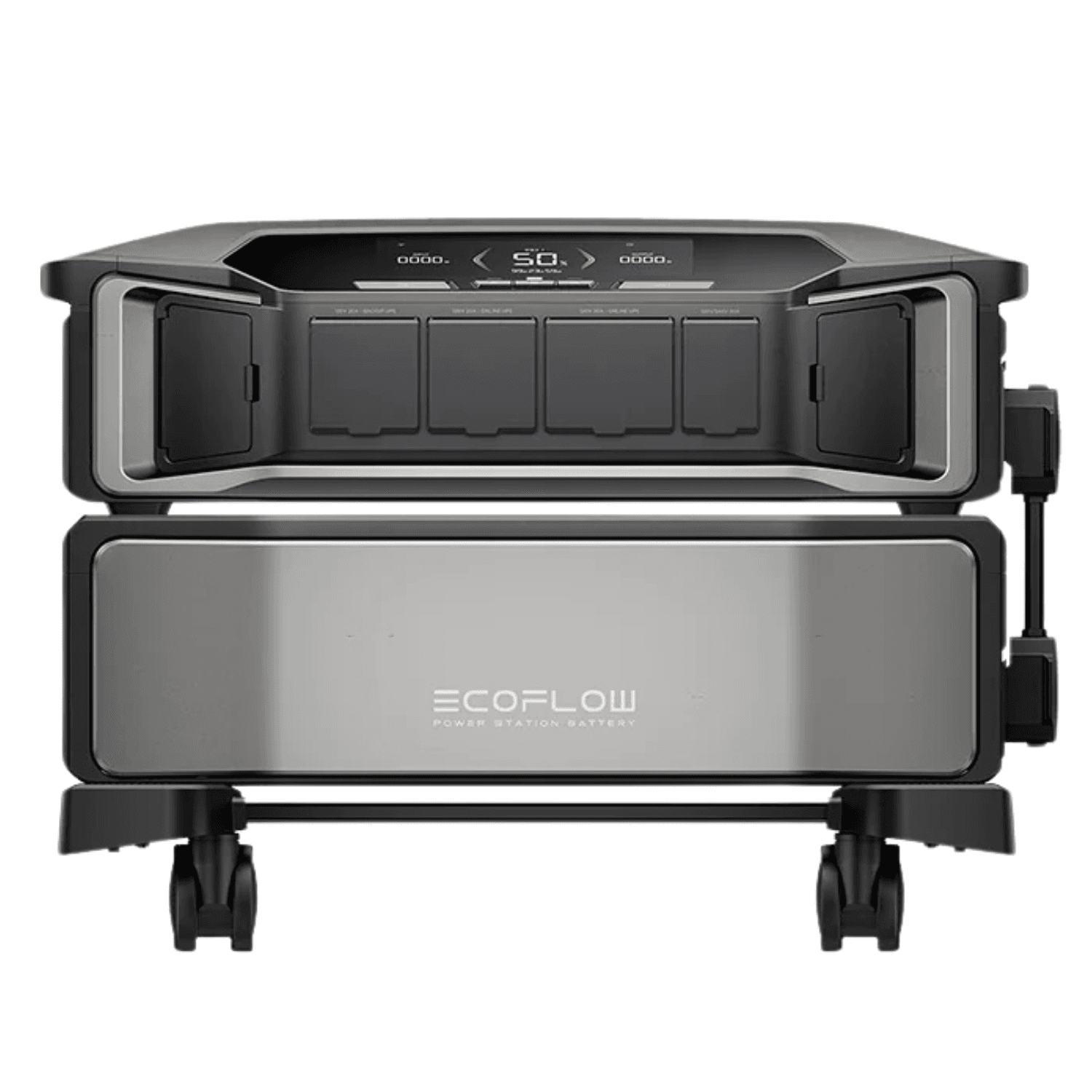
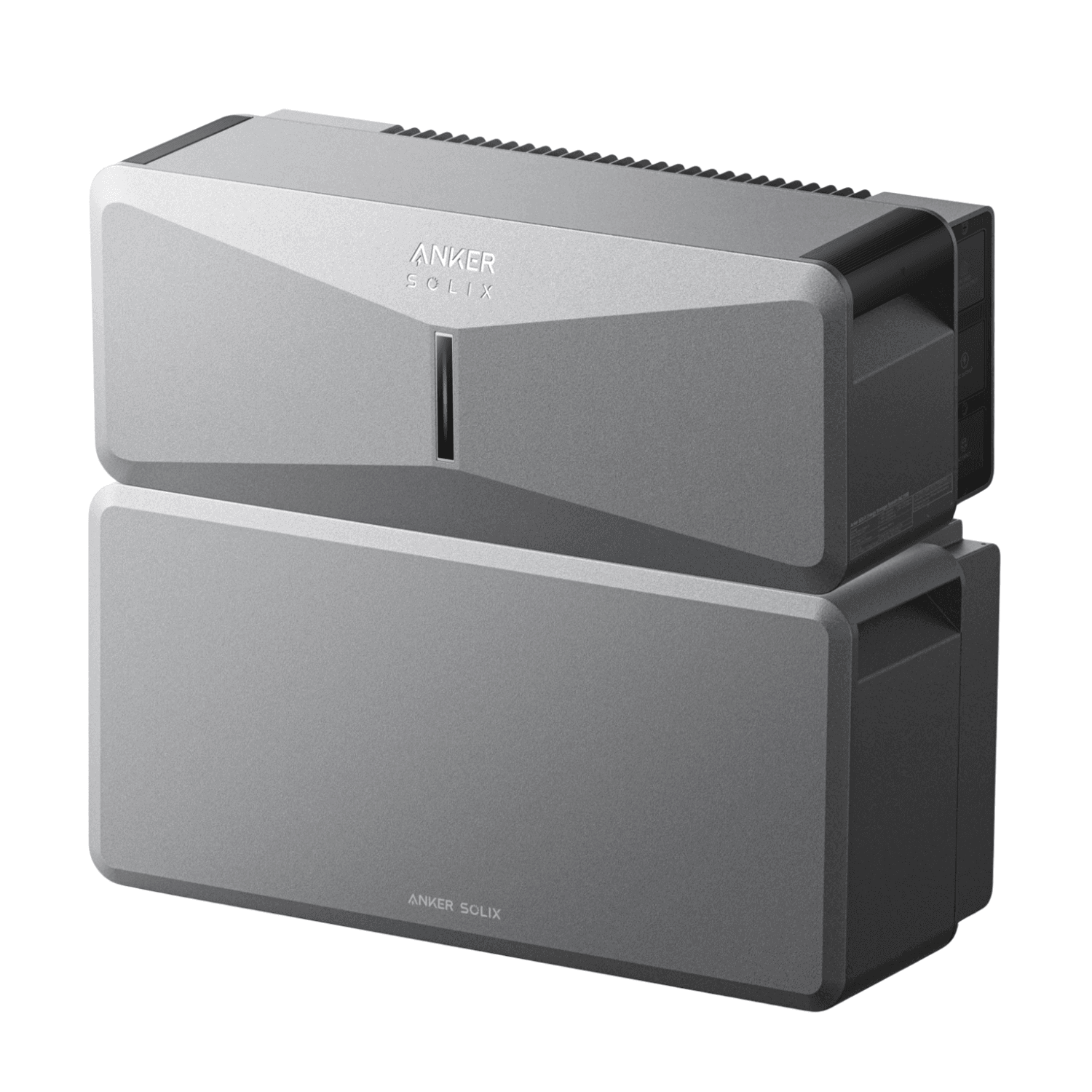
NRG Sense may earn a commission if you buy through our link — at no extra cost to you. We earn the same rate on both brands, so nothing here is steered by payout. How this works →
A correction to what you'll read elsewhere
Several comparisons credit EcoFlow with a 0 ms, truly uninterruptible switchover against 20 ms for Anker. That is wrong. EcoFlow's own documentation puts the Smart Home Panel 3 at under ~20 ms — the same class as Anker's Power Dock. The sub-10 ms figure that gets quoted belongs to the DELTA Pro 3 in UPS mode: a different, smaller product, plugged into directly rather than switching a whole house.
Worth knowing what 20 ms means in practice. EcoFlow puts it at roughly the threshold where a computer holds its state, so both systems sit near that line rather than comfortably past it. If you have a desktop or something genuinely latency-sensitive, neither whole-home path replaces a small UPS on that one device.
| EcoFlow | Anker SOLIX | |
|---|---|---|
| Entry capacity | 6.1 kWh | 6.1 kWh |
| Entry price | $3,700–$4,300 | $3,700–$4,300 |
| Continuous output | 7.2 kW (12 kW on the Ultra X) | 7.6 kW (10 kW turbo, ~90 min) |
| Max solar input | 5.6 kW (10 kW on the Ultra X) | 9 kW |
| Capacity, one unit | ~30.5 kWh (61 on the Ultra X) | ~30.5 kWh |
| Capacity, stacked | 184 kWh across 3 Ultra X units | 90 kWh across 3 units |
| Output, stacked | 36 kW | 22.8 kW |
| Transfer hardware | Smart Home Panel 3 — $2,800–$3,200 | Power Dock — $1,900–$2,100 |
| Cheap manual option | Generator inlet + interlock kit | Smart Inlet Box (~$399), essentials only |
| Transfer time | ~20 ms | ~20 ms |
| Form factor | Power station — detaches and rolls | Fixed install, outdoor-rated enclosure |
| Certification | UL9540 and UL1973 | UL9540 and UL9540A |
Where Anker looks better
Three things, and the first one is worth real money.
- •Cheaper transfer hardware. The Power Dock runs $1,900–$2,100 against $2,800–$3,200 for EcoFlow's Smart Home Panel 3 — roughly $700 to $1,300 less on the component that makes backup automatic. On near-identical battery pricing, that is the largest structural gap between them.
- •More solar, and slightly more output. 9 kW of solar input against 5.6 kW on the comparable EcoFlow, and 7.6 kW continuous against 7.2 kW. Neither gap is dramatic, but both run in Anker's favour at the same price.
- •Generator integration is designed in. Anker markets the E10 as generator-ready, with the generator folded into the system rather than sitting beside it. Both platforms can recharge from a generator, so we would not overstate the gap — but if pairing the two is your plan, Anker builds for it explicitly and we have not tested how different that feels in practice. Battery vs. generator →
- •UL9540A is listed by name. Both brands carry UL9540, the system-level storage standard, so neither is uncertified — but Anker additionally lists UL9540A, the thermal runaway test method that some inspectors ask for specifically. A small edge, and only if your jurisdiction cares.
Where EcoFlow looks better
- •It scales roughly twice as far. One DELTA Pro Ultra X reaches about 61 kWh at 12 kW continuous with a 45 kW surge. Three of them in parallel on a Smart Home Panel 3 reach 36 kW and about 184 kWh — against 22.8 kW and 90 kWh for three stacked E10s. If you are sizing for central air or a large house, that ceiling is the difference.
- •You can take it with you. The DELTA Pro Ultra is built as a power station that happens to wire into a panel — it detaches and rolls. The E10 is a fixed installation in an outdoor-rated enclosure, designed to stay where the electrician puts it. If you are renting, not in a forever home, or want the option of using the hardware standalone, that difference is larger than any spec on this page. Modular vs. fixed →
- •A proven route to local control. There is a mature community integration for running EcoFlow hardware over local Bluetooth with no cloud at all. We use it daily. We cannot tell you what the equivalent looks like on Anker, because we have not tried it.
- •We know how it behaves. Through installation, inspection, firmware quirks, and a year of time-of-use cycling. That is not a claim the E10 is worse — only that we can speak to one and not the other.
So which one?
The answer changes with how big you are going, which is not the conclusion we expected to write.
At the entry tier, Anker is the better buy. Same capacity, same price, slightly more output, meaningfully more solar input, and transfer hardware that costs $700 to $1,300 less. If you are backing up essential circuits, that is the stronger value and we would say so while running the other brand.
At scale, EcoFlow wins clearly. Three Ultra X units reach 36 kW and about 184 kWh against 22.8 kW and 90 kWh for Anker. If you are sizing for central air through a long outage, or a large house, that ceiling decides it.
Two things decided it for us, and neither is on a spec sheet. The DELTA Pro Ultra detaches and rolls, so it moves house with you — the E10 stays where the electrician puts it. And there is a mature route to running EcoFlow over local Bluetooth with no cloud, which we use daily. We cannot tell you what the equivalent looks like on Anker, because we have not tried it, and that is a limit of this page rather than a mark against the E10.
Either way, the decision that moves your total the most is not the brand — it is whether you buy the automatic transfer hardware at all. That fork, and the cheaper manual route →
Common questions
EcoFlow or Anker SOLIX — which whole home battery is better?
It depends on how big you are going. At the entry tier they are close, and Anker arguably edges it: both start around 6.1 kWh and $3,700–$4,300, but the E10 delivers 7.6 kW against EcoFlow's 7.2 kW, takes 9 kW of solar against 5.6 kW, and its transfer hardware costs less. EcoFlow pulls decisively ahead at scale — three DELTA Pro Ultra X units on a Smart Home Panel 3 reach 36 kW and roughly 184 kWh, against 22.8 kW and 90 kWh for three stacked E10s.
Is the Anker SOLIX E10 cheaper than an EcoFlow?
The batteries themselves are priced almost identically — $3,700–$4,300 for either entry system. The real gap is the transfer hardware. Anker's Power Dock runs $1,900–$2,100 against $2,800–$3,200 for EcoFlow's Smart Home Panel 3, so Anker lands roughly $700 to $1,300 cheaper on the piece that makes backup automatic.
Can the Anker SOLIX E10 run central air conditioning?
A single E10 delivers 7.6 kW continuous with a 10 kW turbo mode for up to about 90 minutes, which puts it in the same class as EcoFlow's standard DELTA Pro Ultra — workable for a smaller unit, tight for a large one, and draining either way. For comfortable central air you want the headroom of the DELTA Pro Ultra X at 12 kW continuous with a 45 kW surge, which covers the startup draw of a 5-ton unit. Confirm the specific requirement with your electrician rather than going on rated output alone.
Which takes more solar, EcoFlow or Anker?
The Anker SOLIX E10 accepts up to 9 kW of solar input against 5.6 kW for the comparable EcoFlow DELTA Pro Ultra — a real advantage at the same price point if solar is part of your plan. EcoFlow only pulls ahead here at the Ultra X tier, which takes 10 kW.
Is the Anker SOLIX E10 UL certified?
The E10 is listed as carrying both UL9540 and UL9540A — the system-level energy storage standard and the thermal runaway test method. Some inspectors and jurisdictions ask for these by name, so it can smooth permitting. Certification status changes with revisions, so confirm the current listing for the exact model with your electrician before you buy.
Can you move a whole home battery if you sell the house?
That depends heavily on which one you buy, and it is the difference most comparisons skip. EcoFlow's DELTA Pro Ultra is a power station that wires into a panel — it detaches and rolls, so it can move with you or be used standalone. The Anker SOLIX E10 is a fixed installation in an outdoor-rated enclosure, meant to stay put. If you are renting, expecting to move, or simply not in a forever home, that distinction outweighs most of the specifications.
Do you earn more recommending one brand over the other?
No. Both brands route through the same authorized dealer at the same commission rate, so the payout is identical whichever one you buy. That is deliberate — it means the comparison can be made on the hardware rather than on what pays better.
Still working out the category? Whole home battery backup explained, or modular vs. fixed systems for the wider field. Questions of your own? Ask directly →